

What Is Cupping Therapy? Uses, Benefits, and Why It Works
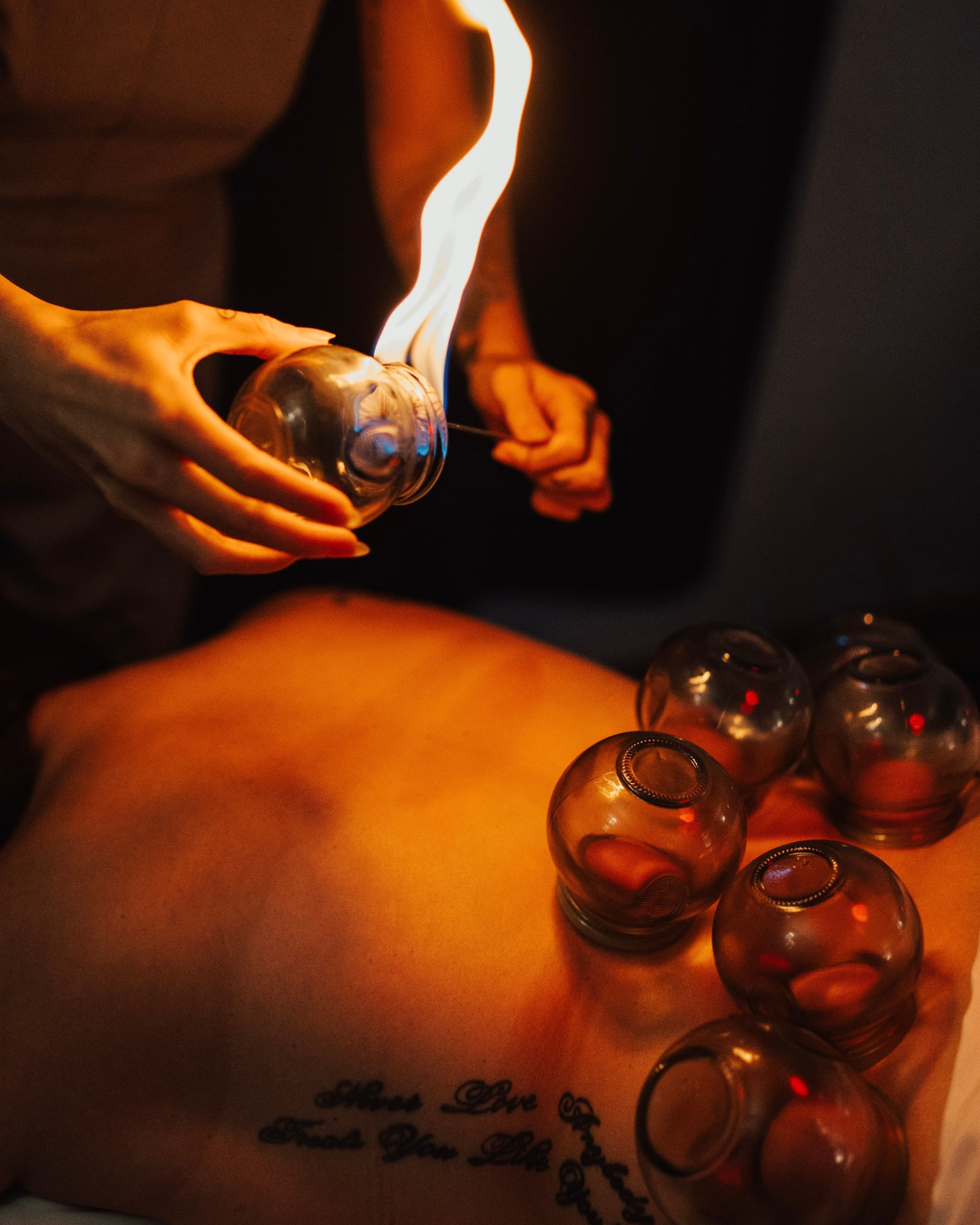
Cupping therapy is a popular integrative treatment found in Traditional Chinese Medicine (TCM), sports medicine, and modern holistic healthcare practices. As interest in non-pharmacological methods for pain management, stress reduction, and musculoskeletal recovery continues to grow, cupping has become a widely used therapeutic approach in clinics around the world.
This guide offers a comprehensive overview of cupping therapy, including its mechanisms, clinical applications, benefits, and safety considerations.
What Is Cupping Therapy?
Cupping therapy is a traditional therapeutic technique that involves applying suction to the skin and the tissues beneath it, creating an intriguing treatment method. This is typically achieved using cups made from various materials, including glass, silicone, bamboo, or specially designed medical-grade plastic.
As the cups are placed on the skin, they create a gentle yet powerful suction that lifts the skin and the fascial layers, promoting a significant increase in local blood flow. This enhanced circulation not only benefits the skin's surface but also positively impacts the deeper muscular structures, connective tissues, and lymphatic systems, encouraging overall health and well-being. The result is a soothing experience that can alleviate tension and promote relaxation throughout the body.
Common Types of Cupping Therapy
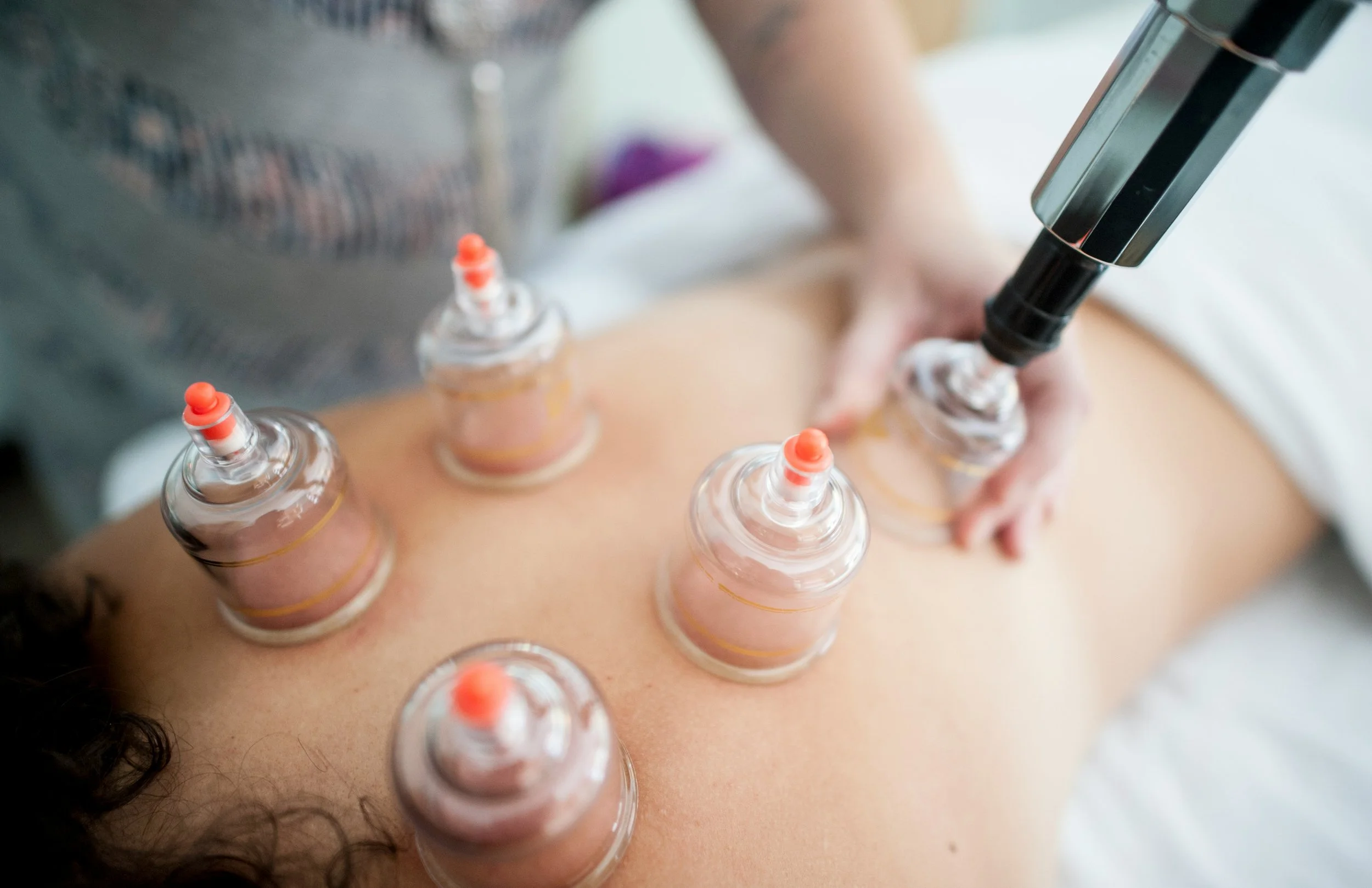
At Nu Wave Acupuncture, we provide TCM style fire cupping as well as traditional silicone cupping.
Dry cupping: Static suction applied to specific anatomical points
Moving (gliding) cupping: Cups are moved across the lubricated skin for myofascial release
Fire cupping: Traditional method using heat to create a vacuum suction in glass cups
Flash cupping: Cups are placed on the skin, quickly removed, and then placed quickly back onto the skin repeatedly to stimulate circulation
Silicone cupping: Flexible silicone cups used for dynamic movement techniques common in massage therapy sessions
Wet cupping (Hijama): Involves controlled superficial skin pricks followed by suction (sometimes used in TCM)
Each technique is selected based on the patient’s presentation, treatment goals, and practitioner assessment.
How Cupping Therapy Works: The TCM Perspective
In TCM, cupping therapy is a holistic treatment designed to enhance the flow of Qi (vital energy) and blood through the body's meridian system. It effectively addresses issues such as Qi and blood stagnation, as well as the effects of cold and dampness, and external factors such as wind-cold or wind-heat.
During cupping, specialized cups made of glass, bamboo, or silicone are placed on the skin to create a vacuum. This draws the skin and underlying tissues into the cups, increasing blood circulation in those areas. The enhanced blood flow promotes oxygen and nutrient delivery while aiding toxin removal. Practitioners may tailor the duration and technique of cupping based on individual needs to optimize results.
Benefits of Cupping Therapy
1. Musculoskeletal Pain Relief
Cupping therapy is widely used in clinical practice for managing acute and chronic musculoskeletal pain, including:
Neck and shoulder tension
Lower back pain
Myofascial pain syndrome
Sports-related muscle soreness
The decompressive effect on fascia and muscle tissue can reduce stiffness, improve mobility, and support functional recovery.
2. Enhanced Circulation and Tissue Oxygenation
One of the primary physiological effects of cupping is increased local blood flow. This enhanced circulation:
Delivers oxygen and nutrients to affected tissues
Facilitates the removal of metabolic byproducts
Supports cellular repair mechanisms
May accelerate post-exertion recovery in athletes and active individuals
3. Myofascial Release and Tissue Mobility
Cupping therapy can function as a form of passive myofascial decompression. By lifting fascial layers, it may:
Reduce adhesions between tissue planes
Improve joint mobility and flexibility
Decrease perceived tightness in chronically overused muscles
4. Stress Reduction and Nervous System Regulation
Cupping has a regulatory effect on the autonomic nervous system. Many patients report a profound sense of relaxation following treatment, which may be associated with:
Downregulation of sympathetic (“fight or flight”) activity
Activation of parasympathetic (“rest and digest”) response
Reduction in stress-related muscular guarding
This makes cupping a valuable adjunct therapy for stress-related somatic conditions.
5. Support for Respiratory and Immune Function
Traditionally used for respiratory conditions, cupping applied to the back and thoracic region may help:
Reduce chest congestion
Support airway clearance
Improve thoracic mobility and breathing mechanics
From a TCM perspective, cupping is often used to dispel external pathogenic influences affecting the lungs.
6. Lymphatic Flow and Detoxification Support
Cupping is frequently incorporated into detoxification and immune-support protocols due to its potential effects on the lymphatic system. Benefits may include:
Enhanced lymphatic circulation
Improved interstitial fluid movement
Support for immune surveillance and waste removal processes
7. Cosmetic and Skin Health
When applied appropriately, cupping may contribute to:
Improved skin tone and texture
Increased local circulation supporting collagen activity
Temporary reduction in the appearance of cellulite
Enhanced tissue oxygenation for a healthier complexion
What Do Cupping Marks Mean?
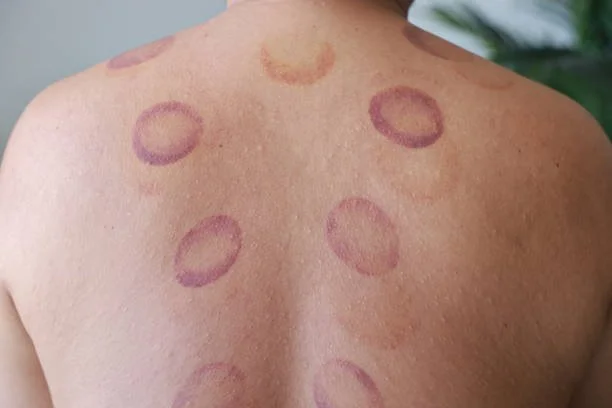
A distinctive feature of cupping therapy is the circular discoloration that may appear following treatment. These marks are not bruises caused by trauma, but rather a result of localized blood movement and capillary response to suction.
Their coloration can range from light pink to deep purple. It may provide clinical insight into the degree of tissue stagnation, the level of inflammation or congestion, or the chronicity of muscle tension patterns. Cupping marks are usually painless and resolve within 3-10 days.
Safety, Cautions, and Clinical Considerations
When performed by a licensed and trained practitioner, cupping therapy is considered a safe and well-tolerated intervention. However, appropriate screening is essential.
Contraindications may include:
Active skin infections or open wounds
Severe bleeding disorders or anticoagulant use
Pregnancy (specific abdominal or lumbar applications)
Severe anemia or compromised vascular integrity
Certain chronic medical conditions require medical clearance
Temporary side effects may include mild soreness, skin sensitivity, or transient bruising.
Integrating Cupping Therapy Into Holistic Healthcare
Cupping therapy is most effective when incorporated into a comprehensive, individualized treatment plan. In integrative clinical practice, it is often combined with:
Acupuncture for meridian regulation and pain management
Massage therapy for muscular release and circulation
Herbal medicine for systemic internal support
Lifestyle and nutritional counseling for long-term balance
This multimodal approach allows practitioners to address both symptomatic relief and underlying physiological or energetic imbalances.
Cupping therapy is a versatile, evidence-informed modality that bridges traditional healing systems and modern integrative medicine. Its primary clinical applications include pain relief, improved circulation, fascial release, stress reduction, and respiratory support.
As interest in holistic and non-pharmaceutical interventions continues to grow, cupping remains a valuable tool in comprehensive patient care, particularly within acupuncture and integrative wellness clinics.
