

Acupuncture and Traditional Chinese Medicine for Pregnancy and Postpartum Support in Gahanna & New Albany, Ohio
We offer Traditional Chinese Medicine based integrative care to support a healthy, comfortable pregnancy and a smooth postpartum recovery. Our approach is designed to regulate the body, ease common symptoms, and calm the nervous system—working alongside your prenatal and postpartum care to promote overall well-being.
Whether you are in your first trimester, preparing for labor, or navigating the physical and emotional changes after birth, our treatments are personalized, gentle, and grounded in both Traditional Chinese Medicine and modern maternal health care.
Our acupuncturists are passionate, caring, and patient-centered when it comes to working with any and all pregnancy concerns and health goals. Our acupuncturists specialize in women’s health and fertility. Helping women navigate their pregnancy journey naturally is our bread and butter.
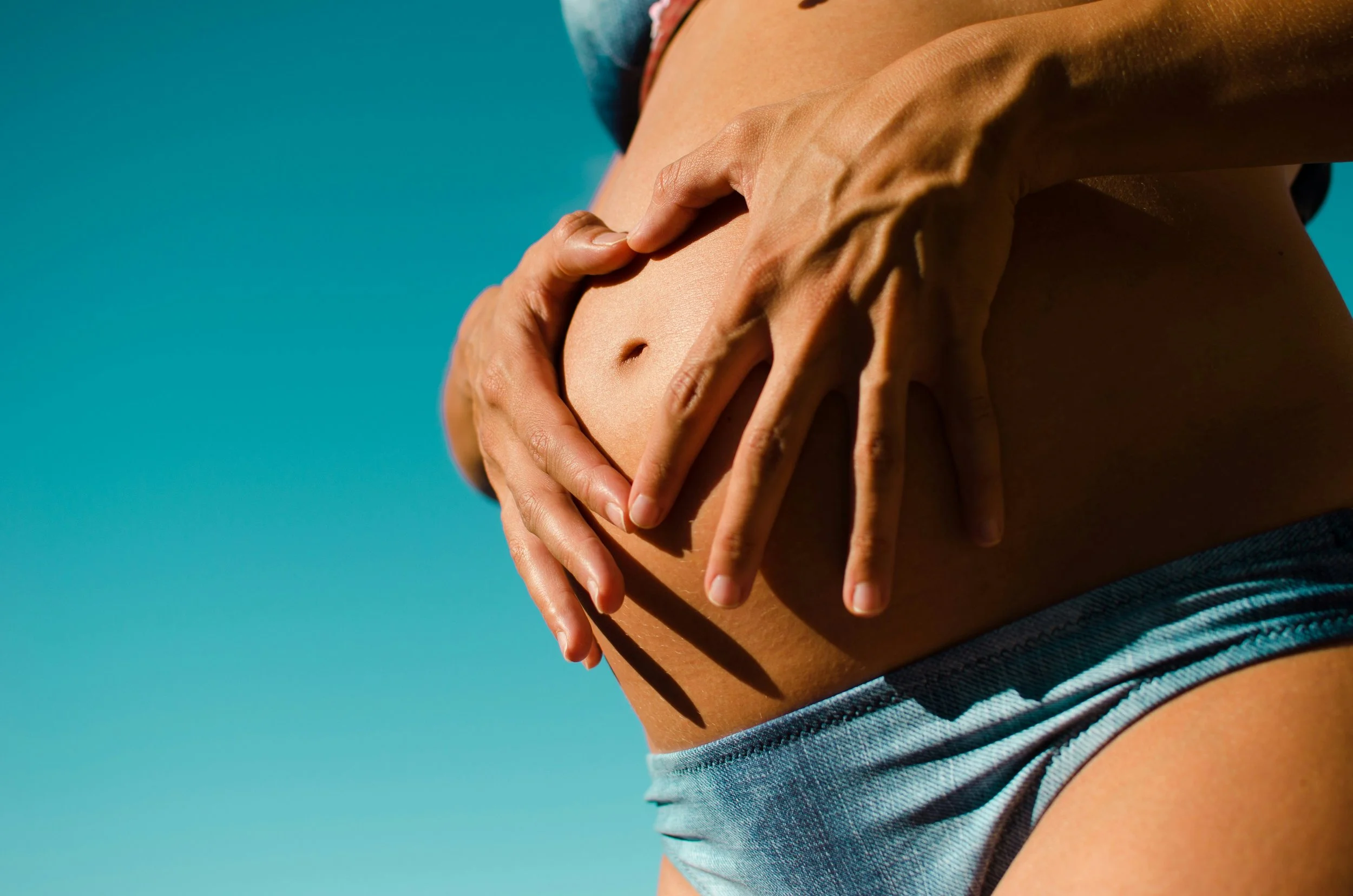

We believe care should support the whole person—especially during the transformative time of pregnancy and the postpartum period. In addition to acupuncture and Traditional Chinese Medicine, we offer a range of complementary therapies to help you feel supported physically, emotionally, and mentally at every stage.
Depending on your needs, your care may include or be combined with:
Acupuncture and other Traditional Chinese Medicine based modalities
Prenatal massage to relieve tension, support circulation, and reduce swelling
Postpartum massage to aid recovery, release muscle tension, and support healing
Reiki and energy work to promote relaxation and emotional balance
Nervous system support to help reduce stress, improve sleep, and support recovery
Customized treatment plans that adapt as your body and needs change
Our integrative approach allows you to receive multiple forms of care in one place, creating a more supportive, restorative experience throughout pregnancy and into postpartum recovery.
Acupuncture for Pregnancy and Postpartum Care
Common Pregnancy and Postpartum Concerns We Support
-
Nausea and vomiting (morning sickness)
Fatigue and low energy
Anxiety and emotional fluctuations
Headaches
Digestive issues (bloating, constipation)
Spotting or threatened miscarriage support
Support during IVF/IUI early pregnancy
Recurrent miscarriage loss support
-
Back pain and hip discomfort
Round ligament pain
Heartburn and reflux
Constipation
Sleep disturbances
Stress and anxiety
Sinus congestion and headaches
-
Back pain, sciatica, and pelvic pain
Swelling (edema)
Carpal tunnel syndrome
Insomnia
Anxiety or birth-related stress
Breech presentation support
Labor preparation/induction and cervical ripening
-
Lactation support
Cycle regulation
Painful periods
Postpartum depression
Postpartum anxiety
Acute/early mastitis
Services We May Recommend
Acupuncture & TCM
Acupuncture is commonly used to support fertility and pregnancy by improving pelvic circulation, regulating the nervous system, supporting hormonal communication, and reducing stress. It is frequently incorporated before and during IVF and IUI cycles, as well as throughout pregnancy.
Therapeutic Massage
Massage therapy addresses muscle tension, soft tissue restrictions, and fascial imbalances that contribute to pain and limited movement. It is especially helpful for neck, shoulder, back, and joint pain during pregnancy or for relaxation throughout your fertility journey.
Infrared Sauna Therapy
When appropriate, infrared sauna therapy may be used to support circulation, stress reduction, and detoxification during preconception phases. Sauna use is adjusted or paused during active fertility treatment and pregnancy for safety.
Reiki & Nervous System Support
The fertility journey can be emotionally and physically demanding. Reiki and calming therapies help regulate the nervous system, reduce anxiety, and support emotional well-being throughout treatment and pregnancy.
Herbal Medicine & Targeted Supplements
Custom Chinese herbal supplements and professional-grade supplements may be used (when appropriate) to support cycle regulation, egg and sperm quality, energy levels, sleep, digestion, and recovery between fertility treatment phases. Herbal recommendations are carefully timed and adjusted around IVF/IUI protocols.
Health Coaching & Lifestyle Guidance
Lifestyle factors such as nutrition, stress management, sleep, and movement play a meaningful role in fertility outcomes. Health coaching provides practical guidance to support your body between appointments and throughout treatment cycles.

What to Expect from Treatments
Care takes place in a calm, premier, spa-like clinic environment designed to support relaxation and nervous system regulation — an important component of fertility and pregnancy care.
Treatment rooms are private and thoughtfully appointed, featuring:
Soft music and a peaceful atmosphere
Heated treatment tables and warming options
Heat lamps and comfort accommodations as needed
Clean, well-appointed restrooms and supportive amenities
Sessions are tailored to where you are in your fertility or pregnancy journey. Many patients report feeling calmer, more grounded, and supported after treatment. Over time, consistent care helps support regulation, recovery, and resilience alongside medical treatment.